
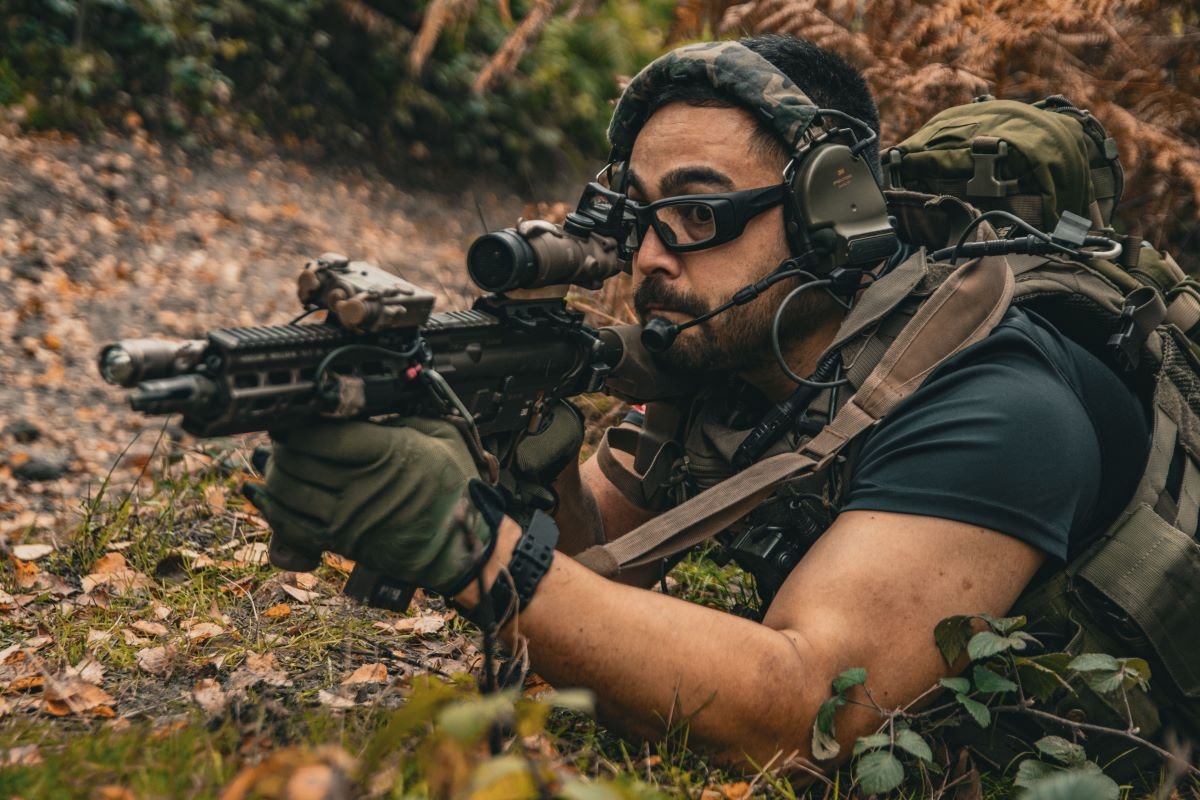

Choosing the right tactical headset isn’t just about hearing protection. It’s also about staying aware of your surroundings and communicating effectively during shooting, hunting, or tactical training. Two popular options are the Earmor M31 and M32, both designed to reduce harmful noise while allowing users to hear important environmental sounds. The main difference between Earmor M31 and M32 tactical headsets is their communication capability. The M31 focuses on electronic hearing protection and sound awareness, while the M32 adds a detachable microphone and two-way radio connectivity. Although they share several core features, understanding how they differ can help you select the headset that best suits your activities and equipment.
What Is the Earmor M31 Tactical Headset?
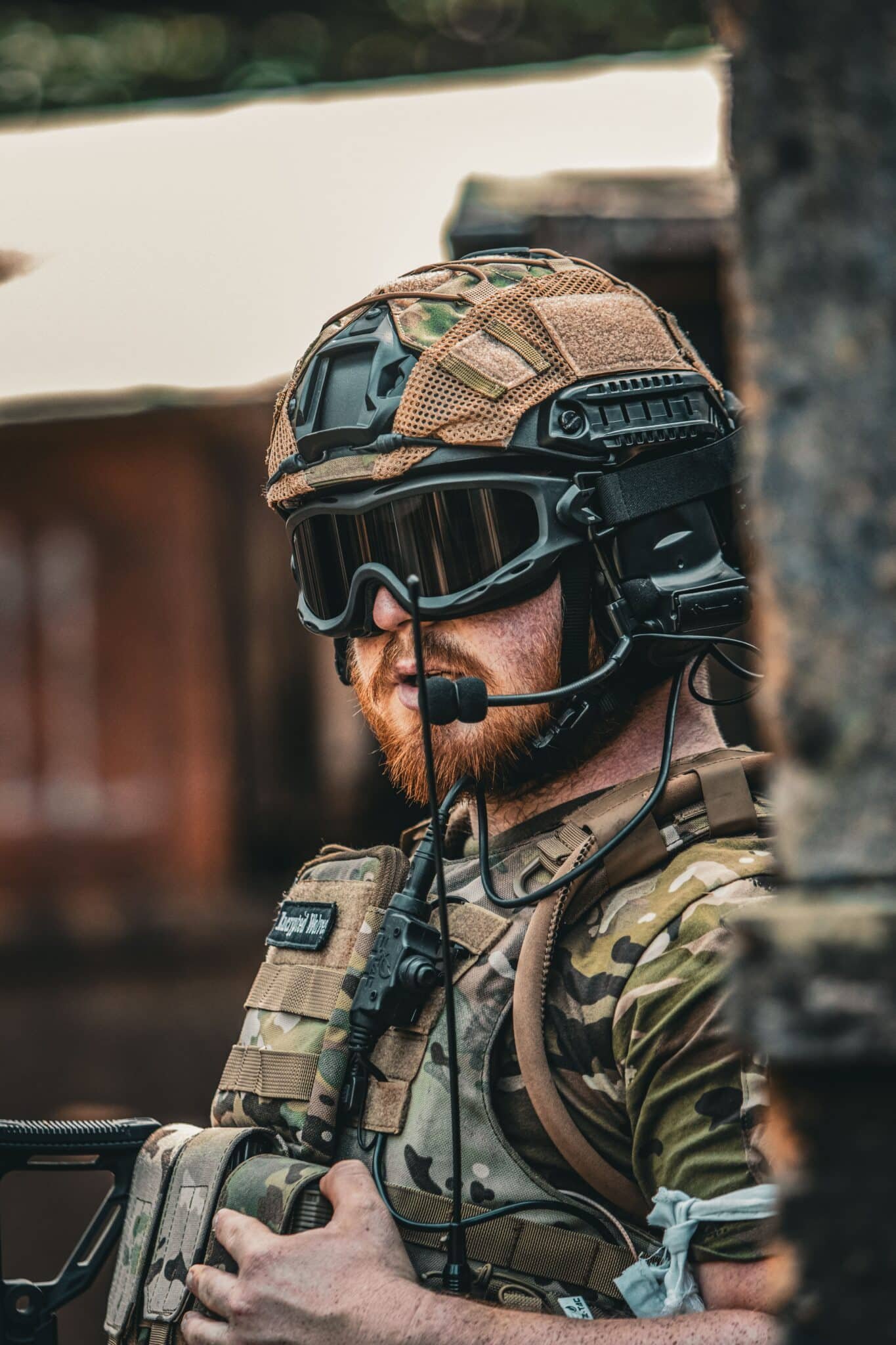
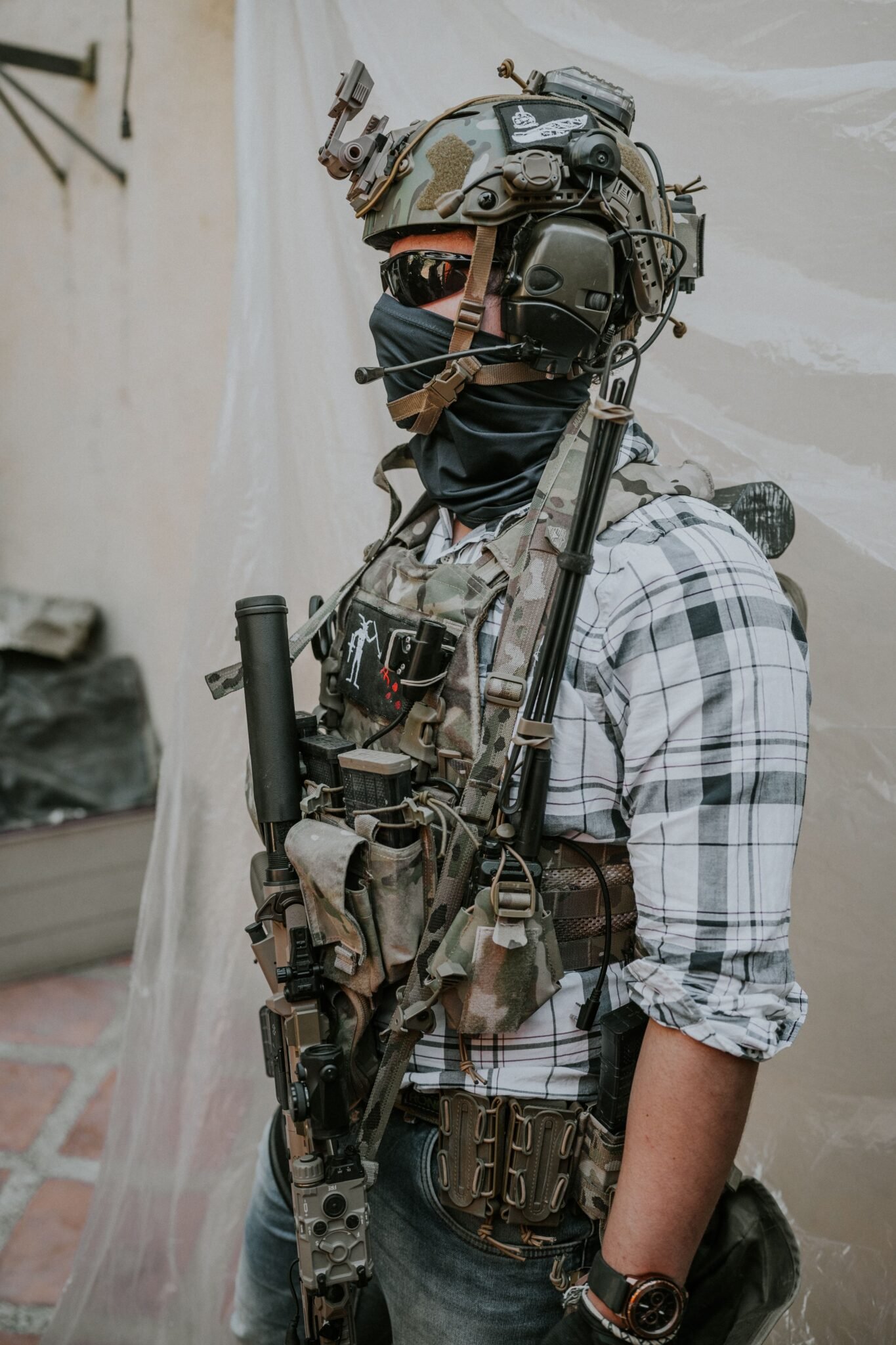
The Earmor M31 is an electronic tactical headset designed to protect hearing from loud noises while improving awareness of quieter surrounding sounds. It is commonly used for shooting, hunting, airsoft, and tactical training where users need to hear instructions and environmental sounds without constantly removing their hearing protection. Unlike ordinary passive earmuffs, the M31 uses built-in environmental microphones to detect surrounding sounds and reproduce them through internal speakers.
The headset also provides passive sound attenuation through its protective ear cups. The M31 MOD3 has a noise reduction rating (NRR) of 22 dB, although actual protection depends on achieving a proper fit and seal.
What Are the Key Features of the Earmor M31?
The Earmor M31 combines electronic sound management with a relatively simple design. Its features help users remain aware of their surroundings while reducing exposure to hazardous noise.
- Electronic Hearing Protection: The M31 combines passive ear-cup protection with electronics that limit the playback of sudden loud sounds. Its MOD3 version has an NRR of 22 dB when properly fitted.
- Ambient Sound Amplification: Built-in environmental microphones pick up quieter sounds, such as nearby conversations and movement, and reproduce them through internal speakers. This helps users maintain situational awareness without removing the headset.
- Fast Impulse Noise Response: The headset’s electronic system responds rapidly to loud impulses, limiting their amplification. The protective ear cups continue to provide passive attenuation.
- Adjustable Sound Levels: Users can adjust the volume of electronically reproduced environmental sounds to suit different conditions and listening preferences.
- Comfortable Ear Cushions: Cushioned ear cups help create a secure seal around the ears while reducing discomfort during extended use. A proper seal is essential for effective hearing protection.
- Adjustable Headband: The headband can be adjusted to fit different head sizes, helping the headset remain secure during movement and training.
- Battery-Powered Operation: The M31 MOD3 uses two AAA batteries to power its electronic sound-management features.
- External Audio Input: The M31 includes a 3.5 mm AUX connection for compatible external audio devices. This is different from the dedicated two-way radio communication system found on the M32.
For users who want hearing protection and ambient sound awareness without a radio communication setup, the Earmor M31 tactical headset offers a practical option for shooting ranges, hunting, and outdoor training.
What Is the Earmor M32 Tactical Headset?
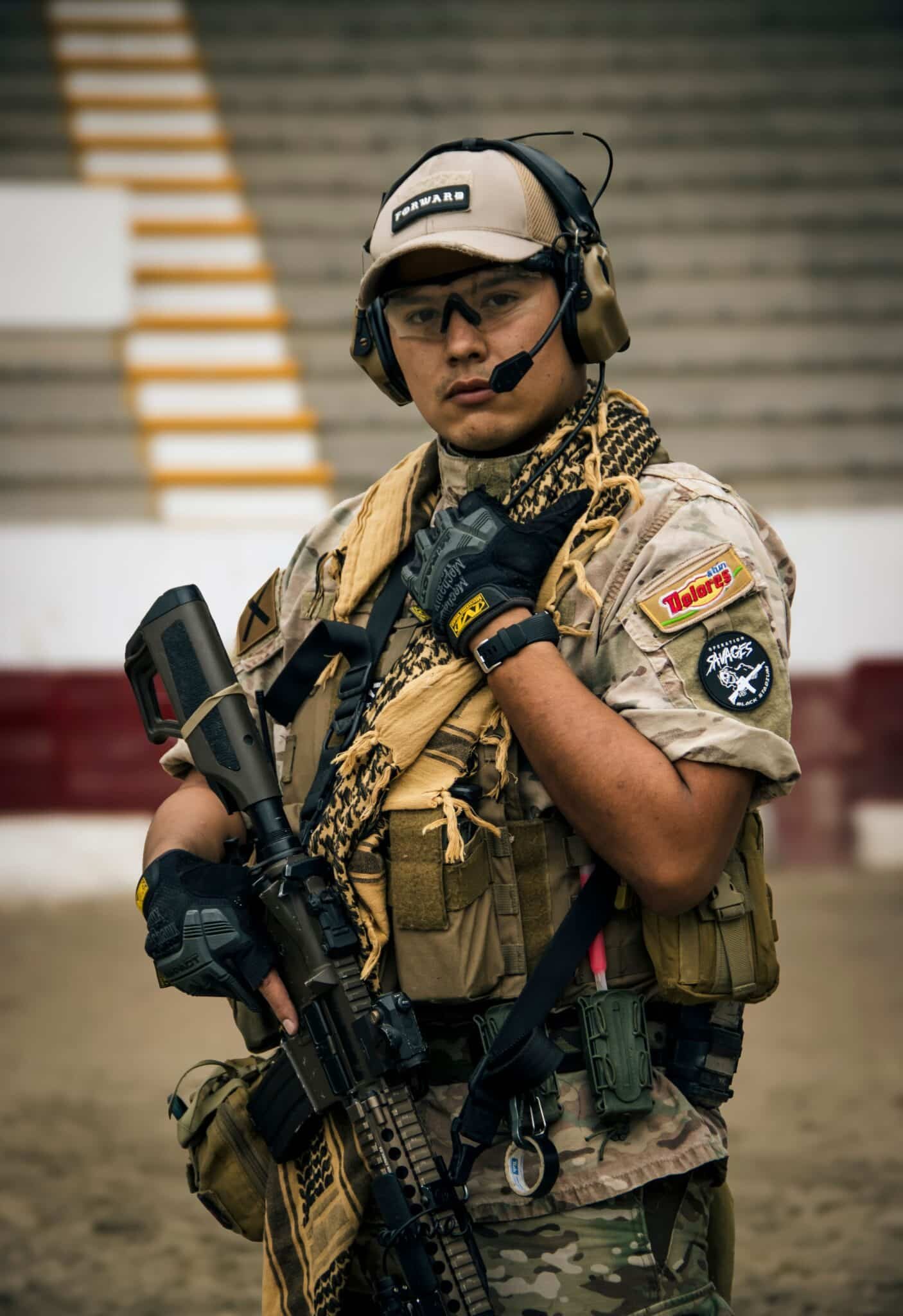
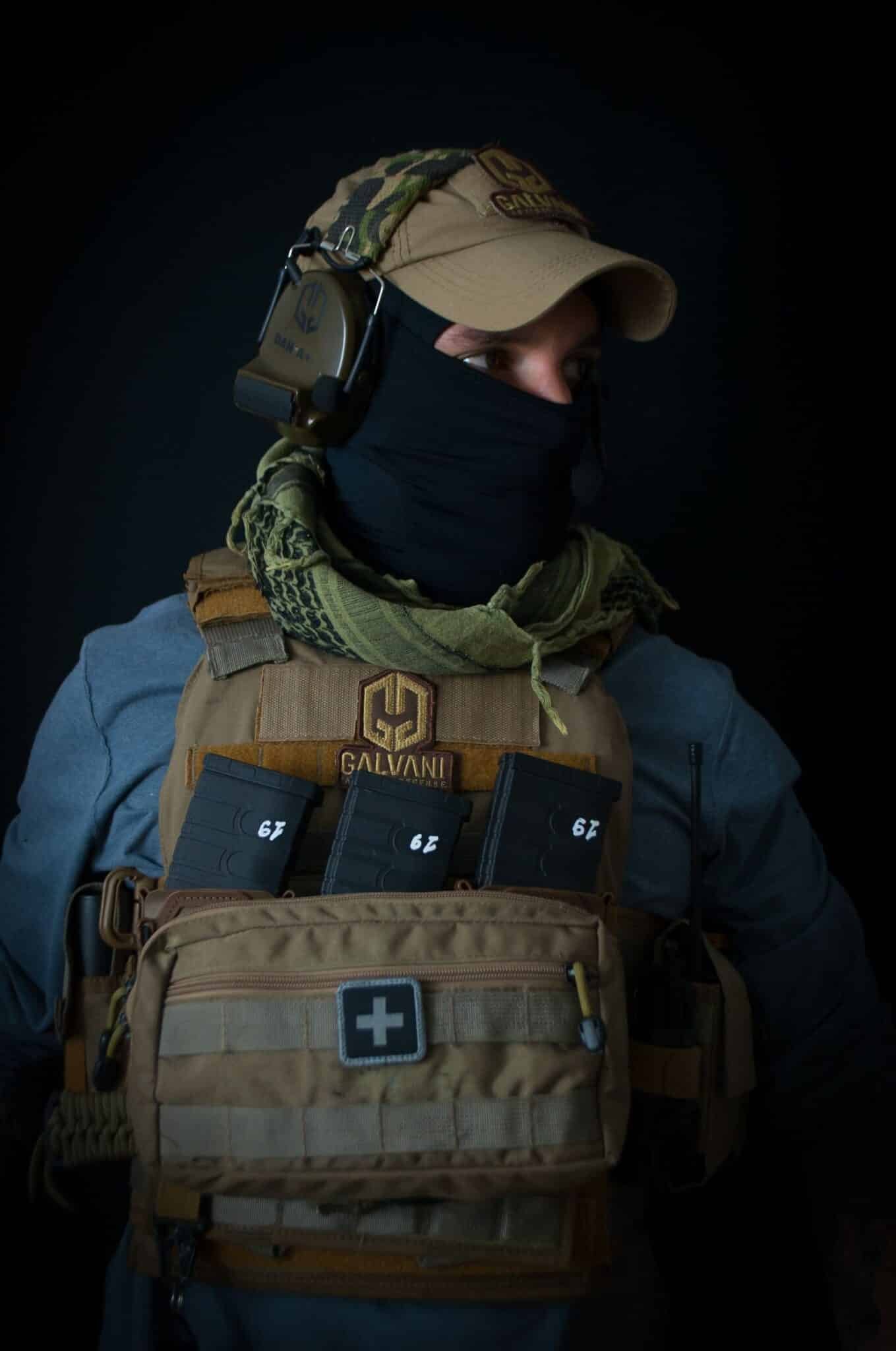
The Earmor M32 is an electronic tactical headset that combines hearing protection, ambient sound amplification, and two-way radio communication capabilities. It builds on the core functions of the M31 by adding a detachable boom microphone and a connection for compatible push-to-talk (PTT) communication equipment.
Like the M31, the M32 uses environmental microphones to capture quieter surrounding sounds while limiting the electronic playback of sudden loud noises. Its protective ear cups provide passive sound attenuation, allowing users to maintain hearing protection even when electronic amplification is switched off.
What Are the Key Features of the Earmor M32?
The Earmor M32 offers many of the same hearing-protection features as the M31, with additional equipment designed for communication.
- Electronic Hearing Protection: The M32 MOD3 has an NRR of 22 dB and uses electronic sound management to limit the playback of sudden loud impulses while retaining the passive protection of its ear cups.
- Detachable Boom Microphone: The headset features a removable communication microphone that can be positioned for voice transmission. This is its most important functional difference from the M31.
- Two-Way Radio Compatibility: The M32 uses a NATO-style TP-120/U-174 communication connector that supports compatible PTT adapters and radio systems.
- Push-to-Talk Support: When connected to a suitable PTT device and radio, users can transmit messages without removing the headset. The PTT adapter must match both the headset and the radio.
- Ambient Sound Amplification: Environmental microphones reproduce quieter sounds, allowing users to hear nearby voices and movement while wearing the ear protection.
- Adjustable Sound Settings: Users can control the volume of amplified environmental sounds according to their surroundings.
- Comfortable Ear Cups: Cushioned ear seals and an adjustable headband help maintain a secure fit and support comfort during extended training sessions.
- Battery-Powered Electronics: The M32 MOD3 runs on two AAA batteries and includes features such as a low-battery warning and automatic shutoff.
- Water-Resistant Construction: Kula Tactical lists IPX5 water resistance for its M32 MOD3, providing protection against water jets under specified test conditions. It should not be submerged.
The Earmor M32 tactical headset with microphone is suitable for users who need electronic hearing protection alongside compatible radio communication during tactical activities.
What Are the Differences Between Earmor M31 and M32 Tactical Headsets?
| Feature | Earmor M31 Tactical Headset | Earmor M32 Tactical Headset |
|---|---|---|
| Primary Purpose | Electronic hearing protection and environmental awareness | Electronic hearing protection and two-way radio communication |
| Headset Type | Active electronic hearing protector | Active electronic communication headset |
| Noise Reduction Rating | 22 dB NRR | 22 dB NRR |
| Ambient Sound Amplification | Yes | Yes |
| Impulse Noise Management | Electronically limits sudden loud sounds | Electronically limits sudden loud sounds |
| Environmental Microphones | Yes | Yes |
| Dedicated Communication Microphone | No | Yes, detachable boom microphone |
| Two-Way Radio Communication | No integrated radio transmission system | Supports compatible radios through a PTT adapter |
| PTT Compatibility | Not designed for dedicated PTT communication | Compatible with suitable NATO-standard PTT equipment |
| Audio Connection | 3.5 mm AUX input | NATO-style TP-120/U-174 communication connector |
| Sound Adjustment | Adjustable electronic sound levels | Adjustable electronic sound levels |
| Power Source | Two AAA batteries | Two AAA batteries |
| Ear Cushions | Cushioned ear seals | Cushioned ear seals |
| Headband | Adjustable headband | Adjustable headband |
| Helmet-Mounted Variant | M31H | M32H |
| Common Uses | Shooting, hunting, and training without radio communication | Shooting, airsoft, tactical training, and team communication |
| Main Advantage | Simpler setup without additional communication equipment | Combines hearing protection with radio communication |
| Best Suited For | Users needing hearing protection and environmental awareness | Users needing hearing protection and coordinated communication |
Does the Earmor M31 Have a Microphone?
Yes, the Earmor M31 has built-in environmental microphones, but it does not have a dedicated boom microphone for two-way radio communication. This distinction is important because the two microphone types perform different functions. The M31’s environmental microphones detect sounds around the user and reproduce them through the headset’s speakers. They help users hear conversations, footsteps, and other quieter sounds without removing their hearing protection.
However, these microphones are not designed to transmit the user’s voice to teammates through a radio. The standard M31 does not include the communication boom microphone or dedicated radio connector found on the M32.
Can You Connect the Earmor M32 to a Two-Way Radio?
Yes, the Earmor M32 can connect to a compatible two-way radio using a suitable push-to-talk (PTT) adapter. Its communication system allows users to transmit and receive voice messages while continuing to wear hearing protection.
The M32 MOD3 includes a NATO-style TP-120/U-174 connector designed for compatible communication equipment. To use it with a radio, you need a PTT adapter that matches both the headset’s connector and the radio’s connection type.
For example, different two-way radios may use different connectors, so a PTT adapter designed for one radio brand may not work with another. Kula Tactical also specifies that its M32H variant is not compatible with Z-Tac/Element PTT devices, making compatibility checks particularly important.
Can You Wear Earmor M31 and M32 Headsets With Tactical Helmets?
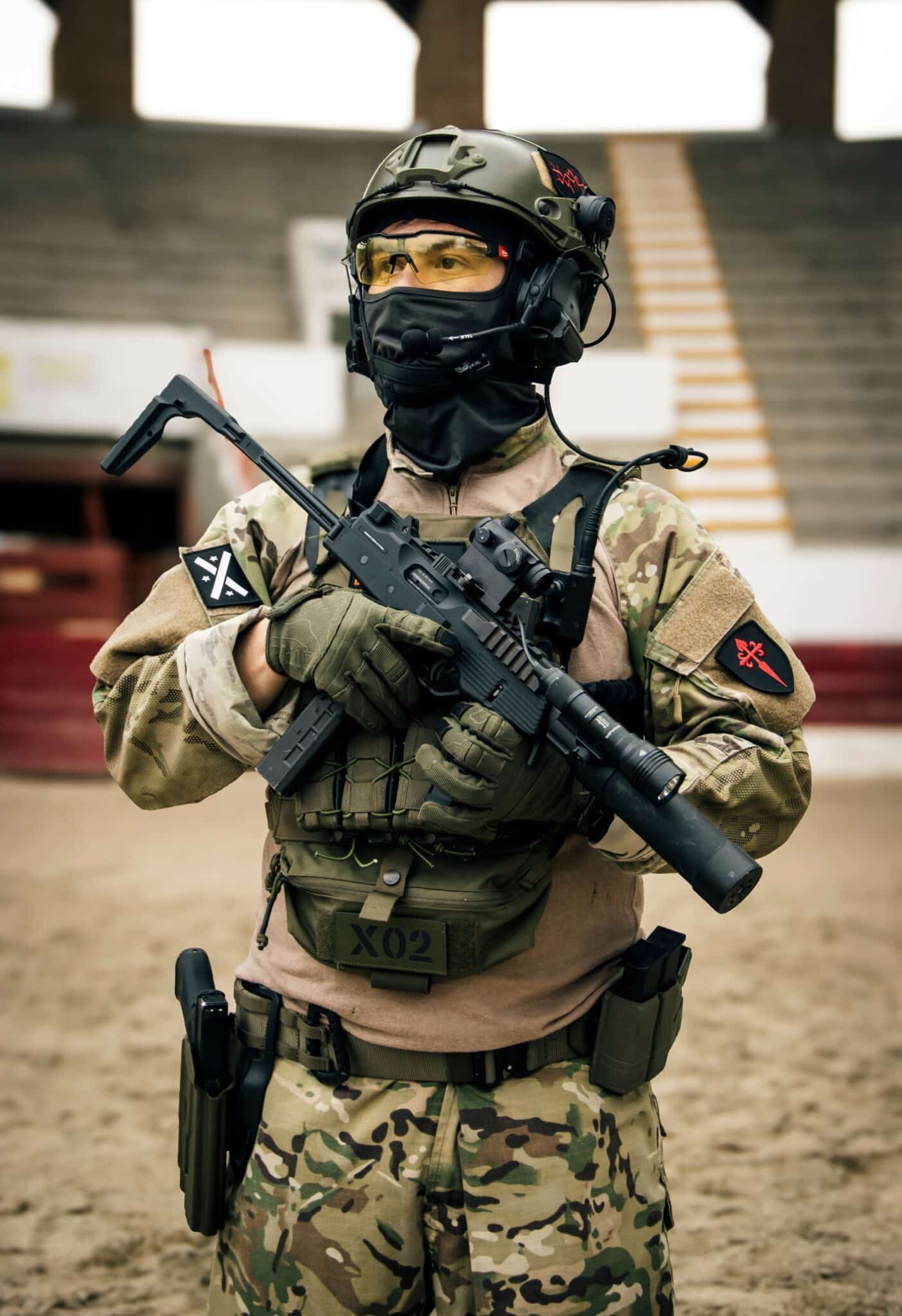
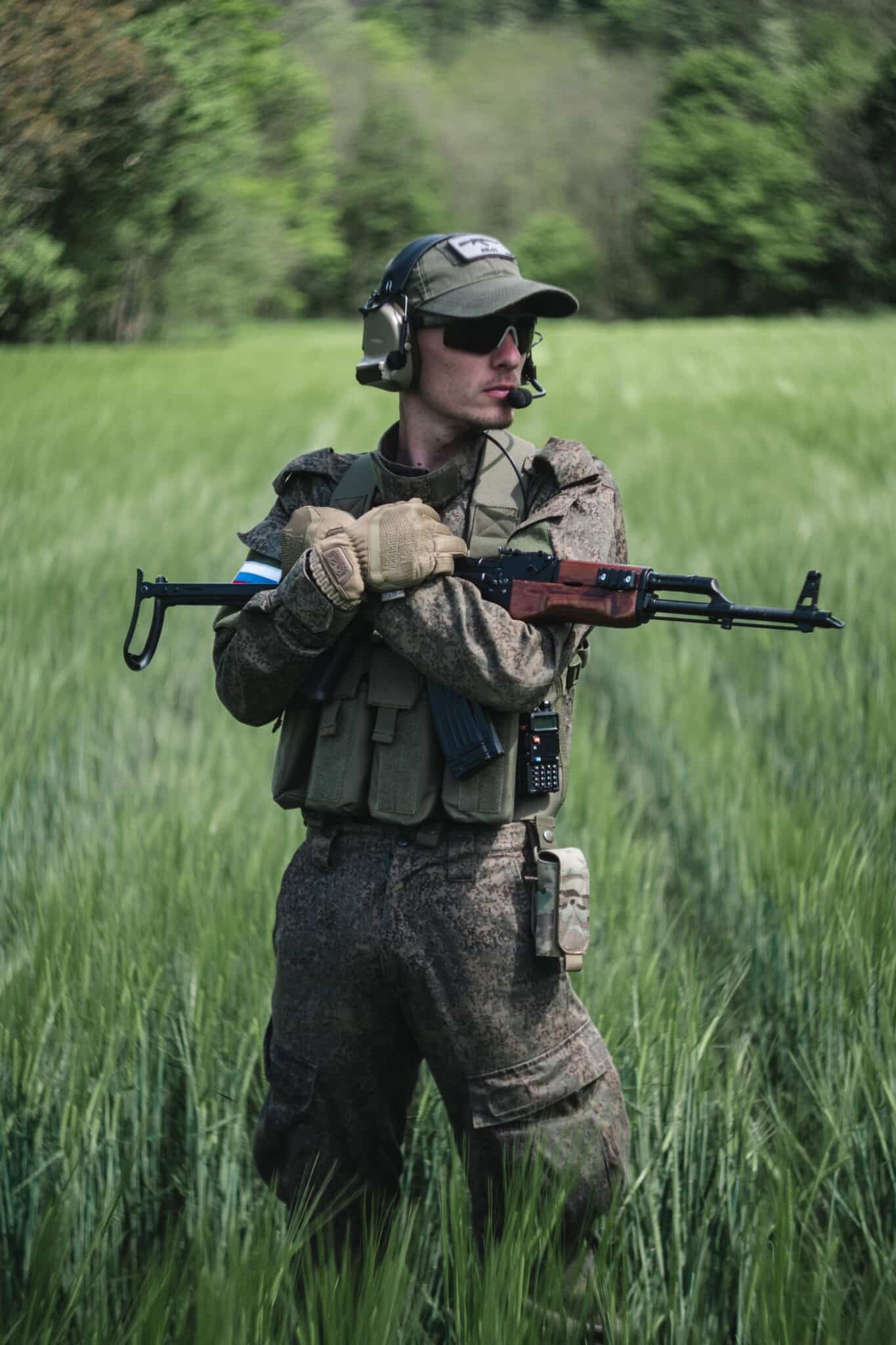
Yes, Earmor M31 and M32 headsets can be used with some tactical helmets, but compatibility depends on the helmet’s design, available space, and mounting system. Standard headband models may not fit comfortably beneath every helmet, particularly those with limited room around the ears.
The M31 and M32 are primarily designed as headband-style headsets. Some users may be able to wear them beneath compatible helmets, but the headband can interfere with the helmet’s suspension system or cause uncomfortable pressure.
For dedicated helmet setups, Earmor offers the M31H and M32H variants, which are designed for attachment to compatible helmet rails.
- Earmor M31H: A helmet-mounted version of the M31 that provides electronic hearing protection and environmental sound amplification without a dedicated radio communication microphone.
- Earmor M32H: A helmet-mounted version of the M32 that combines electronic hearing protection with a detachable boom microphone and compatible PTT communication capabilities.
Which Earmor Tactical Headset Should You Choose: M31 or M32?
Choose the Earmor M31 if you primarily need electronic hearing protection and environmental awareness. Choose the Earmor M32 if you also need two-way radio communication. Both offer similar core hearing-protection functions, so the most important consideration is how you plan to use the headset.
Here are the main factors to consider:
- Choose the M31 for Shooting and Hunting: If you mainly want to hear range instructions, conversations, and environmental sounds while wearing hearing protection, the M31 offers the necessary electronic sound-management features without a dedicated communication system.
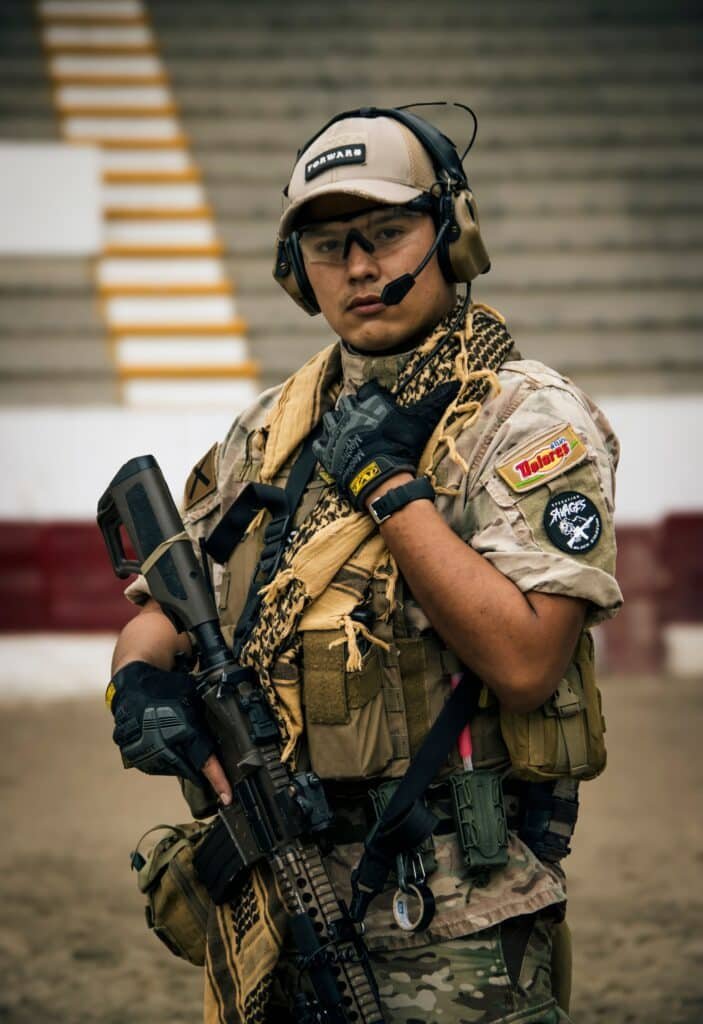
- Choose the M32 for Team Communication: If you participate in airsoft games, tactical training, or other organised activities that require radio communication — and are thinking about ce que les débutants portent pour leur première partie d’airsoft — the M32 provides a detachable microphone and compatible PTT connectivity.
- Consider Your Existing Radio Equipment: If you already use a two-way radio, check its connector and the required PTT adapter before purchasing the M32. A compatible connection is necessary for the communication functions to work correctly.
- Think About Helmet Compatibility: If you regularly wear a tactical helmet, consider the M31H or M32H rather than assuming the standard headband versions will fit comfortably beneath it.
- Compare Comfort and Practicality: Both headsets use cushioned ear cups and adjustable fittings, but the M32 includes additional communication components. Choose the setup that provides the features you actually need.
Wrap Up
More intels about our Tactical Active Headsets
Explore our Tactical Active Headsets for reliable hearing protection, clear communication, and tactical performance.
- Soldes !
 Casques de communication militaires
Casque de Tir Tactique Actif « M32 » avec Micro
Plage de prix : 237,90 € à 239,90 €Choix des options Ce produit a plusieurs variations. Les options peuvent être choisies sur la page du produit - Soldes !Casques de communication militaires
Casque Anti-Bruit Actif Tactique « M31 »
Le prix initial était : 195,90 €.175,90 €Le prix actuel est : 175,90 €.Choix des options Ce produit a plusieurs variations. Les options peuvent être choisies sur la page du produit - Soldes !Casques de communication militaires
Casque Tactique Actif avec Arceau « M31H »
Plage de prix : 170,90 € à 174,90 €Choix des options Ce produit a plusieurs variations. Les options peuvent être choisies sur la page du produit


Both the Earmor M31 and M32 tactical headsets offer reliable electronic hearing protection and improved awareness of surrounding sounds. The main difference comes down to communication. The M31 is a practical choice for shooting, hunting, and training, while the M32 adds a detachable microphone and two-way radio connectivity for team communication. Explore our collection of tactical active headsets, combat helmets, tactical vests, military backpacks, and other tactical accessories — including tout ce que vous devez savoir sur les vêtements tactiques — to complete your gear setup.


